2025 March
March Madness: Tunic, Tactical Breach Wizards, ANIMAL WELL & more...

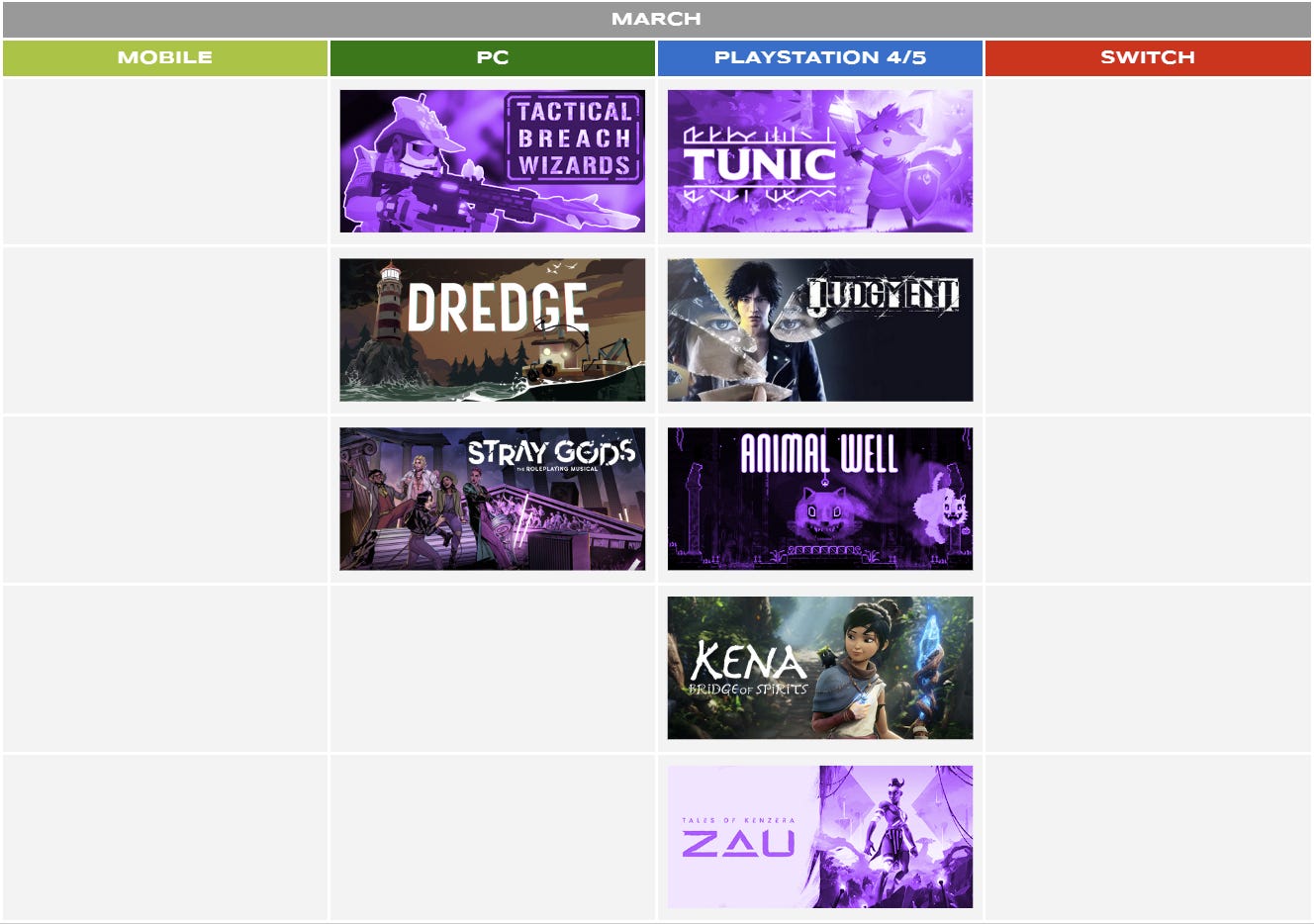
To-Play: 15 | Ongoing: 3 | Completed: 2 | Retired: 0 | Punted: 0
Est. Time to Beat: 24d 1h
This is a long one, so let’s just get started with the 2024 entries for May & June:


With those we’re halfway through last year’s entries.
Tunic (2022)
Completed | 22h 8m

Twice now, Tunic has proven me wrong about its in-game manual. Last month, I admitted how I initially dismissed it as a gimmick—just a cute booklet with gradually unlocking translations—only to fall hard for the game’s exploration.
Then, I was wrong again. As I progressed, I assumed the manual was merely decorative (sure, flipping through pages as they unlock is charming). Turns out, it hides secrets in plain sight—puzzles you must decipher to reach the "good ending."
I just listened to a podcast episode on ANIMAL WELL (more on that later!), where they discussed how the best games with layered secrets need a solid foundation to hook players before unveiling deeper challenges. That’s exactly how Tunic got me: by the time it revealed its alternate ending opportunity, I was all-in (well, kinda…).
What Worked for Me:
Layers Upon Layers: The solo developer didn’t have to go this hard. Just when I thought I’d fully explored the map, the game unveiled an alternate world, à la A Link Between Worlds (there might be better comparisons but that’s the reference I got). Then, near the "end," it introduced a D-pad input mechanic required for the alternate ending. And from what I’ve gathered online, there are still more secrets I’ve left untouched.
Puzzles That Demand Pen-and-Paper: I can’t remember the last time a game made me grab pen and paper (or stylus and tablet, in my case) to sketch solutions—let alone fire up image software to manipulate screenshots. Tunic’s demands goes beyond what Steam’s nifty note feature can provide, requiring me to draw and visualize solutions to the puzzles.
PS5 Game Help: A shoutout to PlayStation’s hint system. While not as well integrated as first-party games (Demon’s Souls for example was offering and hiding hints according to my progress), it offered progressive clues without outright spoilers. Not only is this convenient, it prevents accidental spoiling of oneself when looking for clues online. I did rely on the full solution for one puzzle—the one with reflections (IYKYK…). I don’t know if all PS5 games needs to include Game Help integration but it is yet another season to pick the PS5 if I have a game on multiple platforms.


Video above is me entering a 100 input code sequence I had to figure out to unlock the final page of the manual (below).
What Didn’t Work for Me:
Final Boss Frustration: I lowered the combat difficulty for the last fight. Every prior boss fell to repetition, tools, or cheese—but this one crossed a line. (Maybe this is the combat friction I’ve heard about?) Still, I’m grateful for the option to adjust and finish the game. (Playing this series of games in March, left me with some thoughts on difficulty and accessibility settings in games).
Opaque Mechanics: Even with the full manual unlocked, the ability cards remained cryptic. While a few (like the mask or health-to-mana potion) were clear, others relied on scribbled hints or plain trial-and-error.
Though I didn’t pursue every secret, Tunic delivered an exceptional experience—from the first ending to the Golden Path’s finale. It’s an easy recommend for Metroidvania fans who crave a side of Metroidbrainia.
Judgment (2019)
Ongoing | 5h 42m
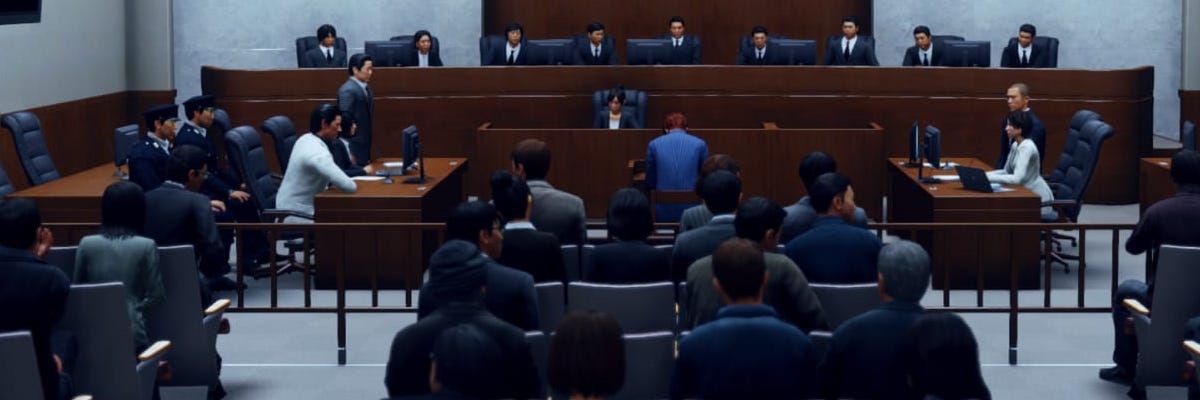
After taking a break in February, I tried to get back into Judgment in March. The story follows a lawyer-turned-private-investigator with a seemingly complicated relationship to one of Kamurocho’s resident yakuza families.
Gameplay mixes the series’ signature brawling (pre-RPG era) with detective work—tailing and sometimes chasing suspects, following leads, gathering evidence, and light interrogations via dialogue choices. The first chapter culminates in the following Ace Attorney-esque scene in court:
What’s Working for Me So Far:
Trademark Absurdity: After 2.5 hours of mostly on-rails storytelling, the game finally opens up in Chapter 2. The side quests, so far, involves a mix of random encounters on the streets and detective cases offered to the agency. It took no time at all bringing back RGG Studio’s usual bizarre offering to the forefront.
Quality-of-Life Tweaks: Once I figured out how to enable it, the GPS navigation made traversing Kamurocho much easier. Random item pickups also seem more visible now—gone are the days of staring at the ground—indicated by big, pulsing glows.
Evolving Setting: One of the joys of following this series is seeing Kamurocho change over time. The building burnt in a previous game remain in ruins, while familiar locations (like the park-turned-homeless-village-turned-high-rise) reflect the passage of time.


What Isn’t Working for Me So Far:
Drone Controls: Flying the drone for recon feels awkward and disorienting; the turn acceleration feels sluggish. While upgrades exist (mainly for races), I have no idea if they will affect investigation sections. Thankfully, mandatory drone sections are rare.
Random Thug Encounters: These feel like unnecessary friction—a holdover from the main series. Though the story eventually explains why Yagami keeps getting jumped, they’re still speedbumps between the good bits. (Maybe I should just lower the combat difficulty to bulldoze through them.)
Pinball Minigame: The detective agency’s pinball game started with a Unity splash screen (wait, what?), then the ball got stuck. No idea how to recover without tilting the table.
The game hasn’t fully hooked me yet—possibly due to the slow burn of introducing new characters and mechanics. Online consensus says it improves, with side quests having some of the usual highlights. Now that I’m done with some of the distractions (see the rest of this entry), I’ll try to stick with it and see where it goes.
Stray Gods: The Roleplaying Musical (2023)
Ongoing | 2h 8m

Stray Gods caught my attention as the next project from David Gaider (ex-BioWare) and with a cast full of familiar names.
The game opens with a splash screen acknowledging the Australia-based studio’s operation on Aboriginal land—something I’ve never seen done anywhere else.


What’s Working for Me So Far:
Instant Musical Payoff: The game wastes no time living up to its "roleplaying musical" tagline. Within minutes, I’m witnessing the protagonist Grace singing, then presented with an option of her traits.
Premise & Aesthetic: The Greek gods/murder mystery mashup hooked me in the first two hours. The cast of stylish deities gives off some Hades vibes.
Dialogue Flow: Conversations feel organic—options propel scenes forward immediately instead of trapping you in dialogue trees. Interrogation segments are the exception, even then chosen options are removed.
Art Direction: The clean, comic-book style works beautifully, further amplified by minimal animations. All these work to keep the focus on the voice acting, which makes sense for the theme of the game.


What Isn’t Working for Me So Far:
Song Battles: The core mechanic of shaping songs through choices hasn’t fully landed for me yet. The gameplay tracks lack the punch of Grace’s intro number, feeling more functional than catchy. I hope to be proven wrong and have some songs as memorable as Pyre’s ending (where Supergiant dynamically built a song from your choices).
While I typically multitask while gaming to maximize my free time, Stray Gods is one which demands full attention. That said, with a runtime of ~8 hours (per HLTB), I’m committed to seeing it through.
Off-list
Tactical Breach Wizards (2024)
Completed | 26h 17m
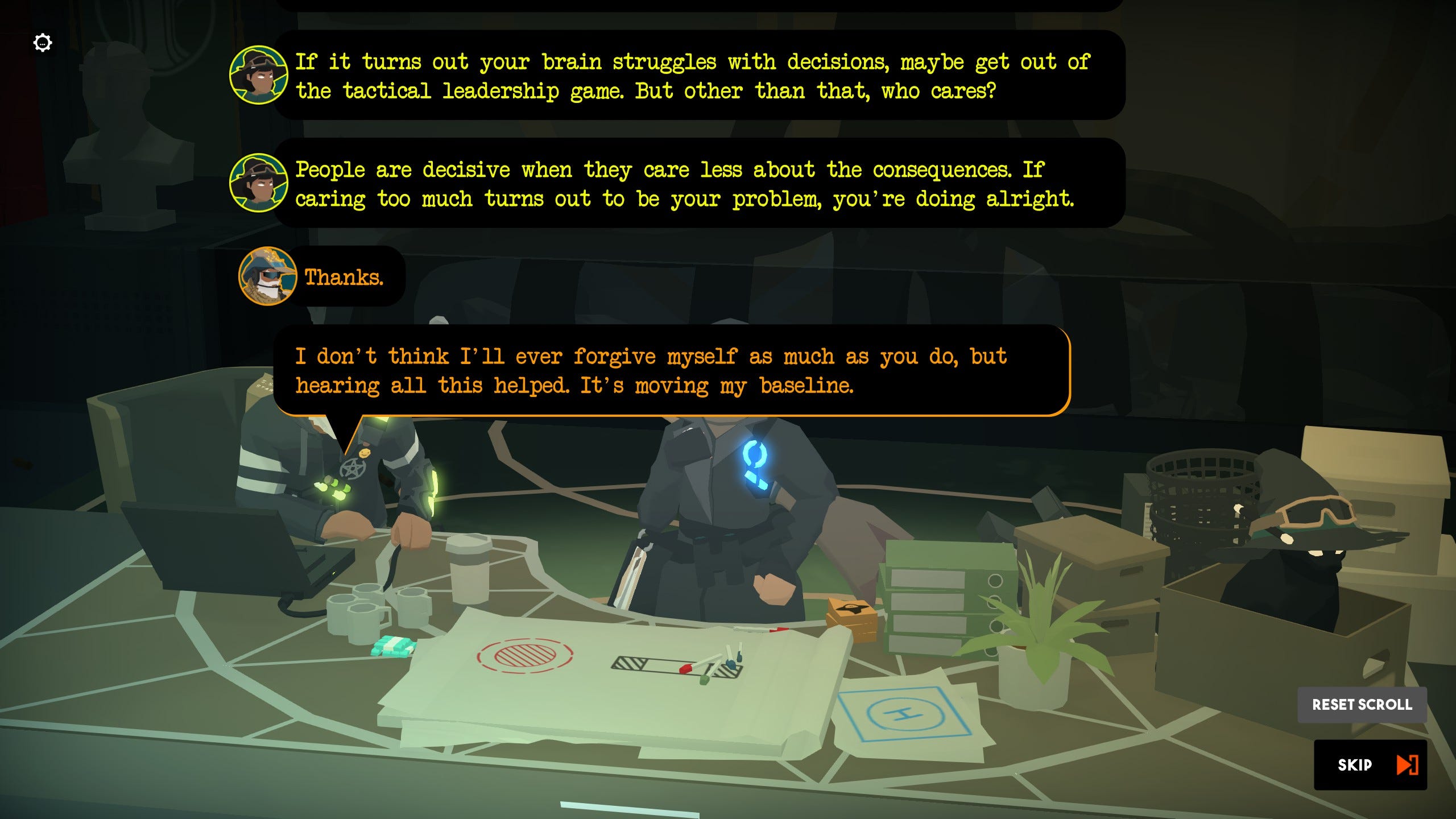
As its third entry, I’ll keep this one snappy: TBW is still great, still hilarious, and still a recommendation—especially with its accessibility features making it approachable for anyone, regardless of tactics-game experience.
What Worked for Me:
Lean & Engaging: Never overstayed its welcome. Delivered clear feedback and rules—exactly what I want from my tactics games.
Rion’s Reveal: The backstory of the enemy-turned-reluctant-ally Druid Hitman caught me off guard. (But truly, all the characters were fascinating to get to know.) Since the game is still relatively new, I’ll just leave it at that.
Epilogue Love: Not just for the heroes, but even the villains got closure. The interactive epilogue—where you choose how each hero’s story wraps up—was a perfect cherry on top.
Final Boss Brilliance: A puzzle-like climax that demanded familiar of the heroes’ toolkit. Felt like both a finale and a natural segue into the dream puzzle missions for completionists.


Minor Complaints:
Underused Hub Chat: The dialogue scenes in the hub were fun but sparse. I’d have loved more.
Proper Noun Overload: Couldn’t tell you which country was the anti-magic theocracy or the USA stand-in. The characters and missions stuck with me; the macro plot? Not so much.
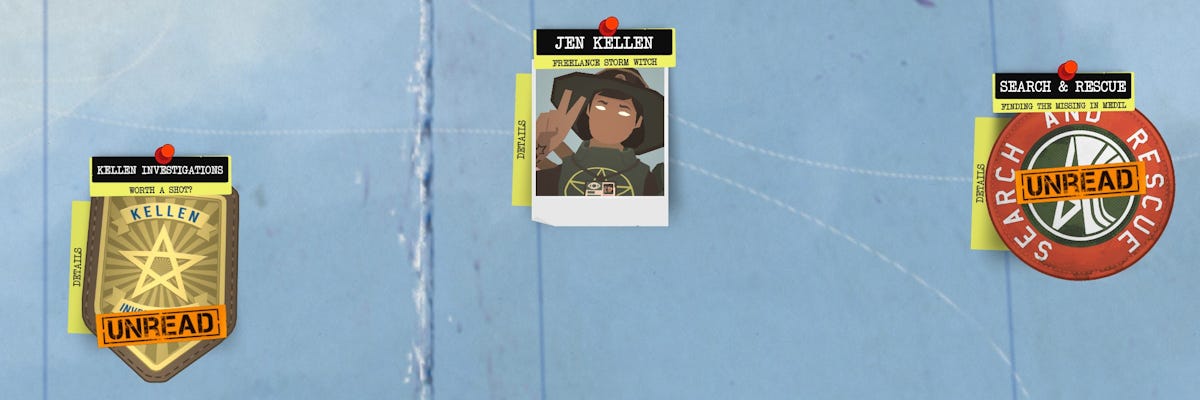
Final Mission’s Cool Trick: The establishing shot with labeled areas (first image in the gallery above) was a slick presentation. Wish it’s used more but that might’ve diluted its impact.
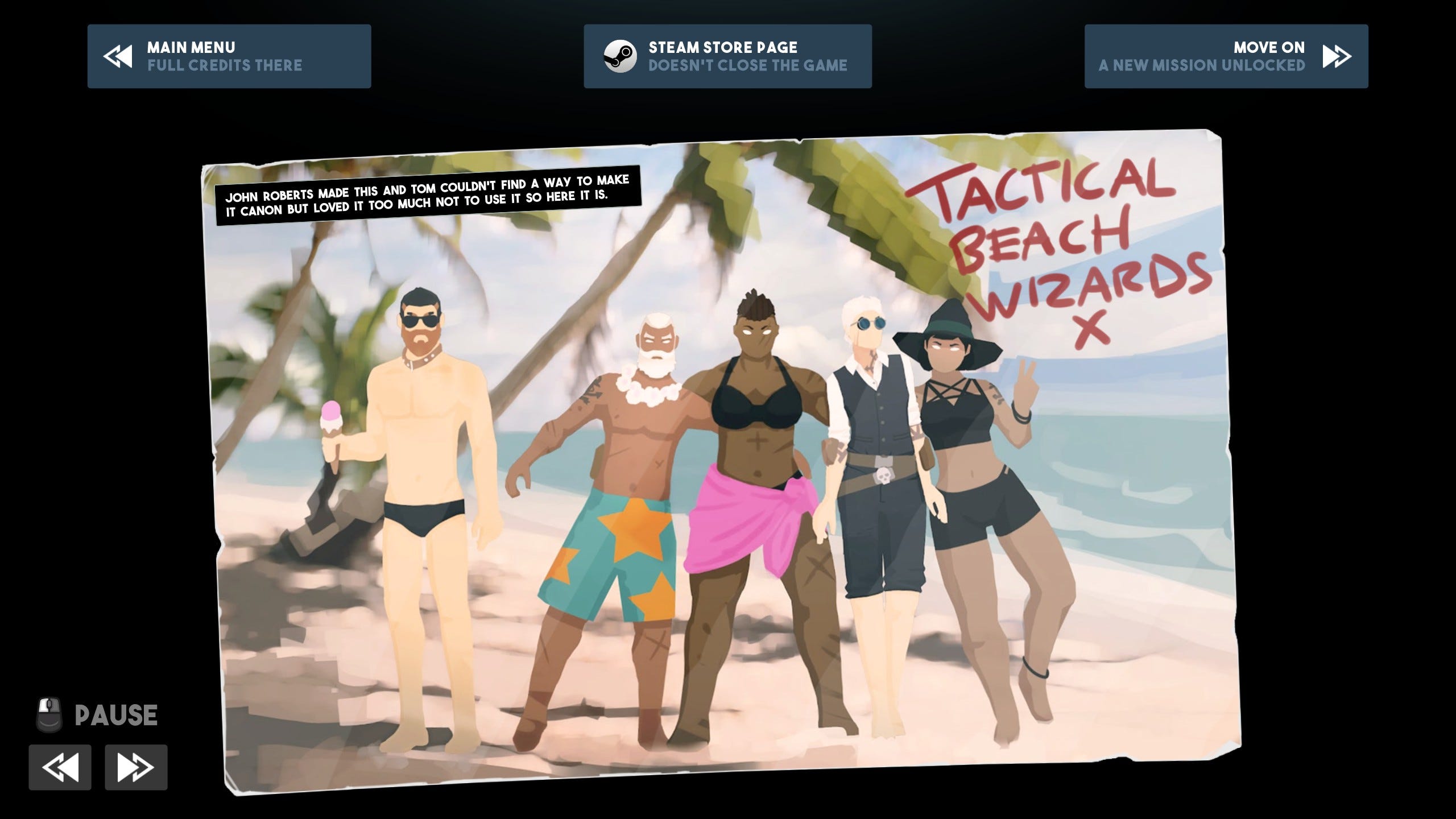
There’s more to dig into—challenge objectives, dream puzzles—should I choose to. While part of me want more (DLC? Sequel?) but I appreciate TBW as a tight, complete package. Now, to finally check out GUNPOINT…?
Dredge (2023)
Ongoing | 11h 18m
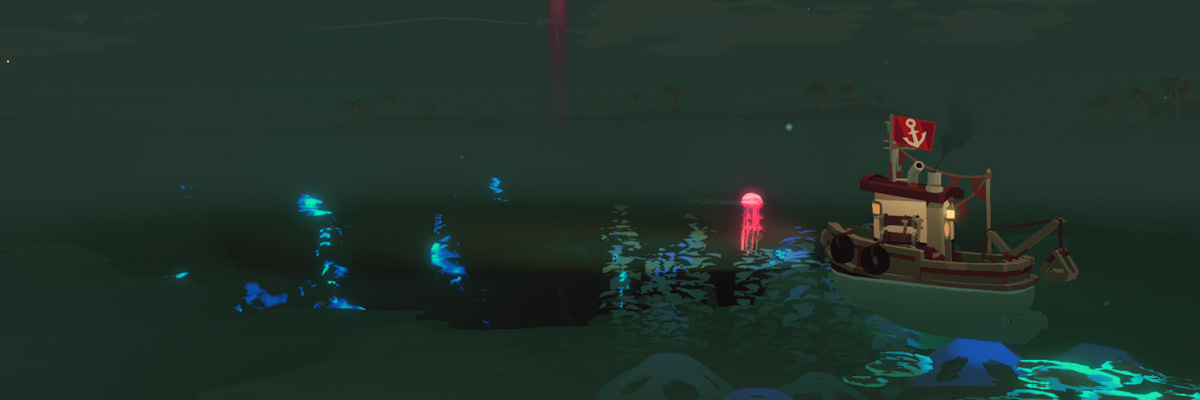
Dredge remains my go-to weekend game—perfect for handheld play while lounging with the kids (who’ve inexplicably gotten into Beyblade lately…). I’ve reached the third of four biomes, so next month’s entry will likely be its finale, whether I finish or not.
What has kept Me going:
Logistic Zen: It’s a gloriously chill logistics sim. No time pressure, and even capsizing just means reloading to the last dock visit—no punishing setbacks.
Subtle Storytelling: While I wouldn’t call it “one of 2023’s best narratives” so far (characters selection tucked in the corner of the location UI might’ve made me skip dialogue opportunities), the environmental storytelling—abandoned resorts, crashed planes, and eerie vibes— as well as the quest dialogue has been plenty compelling. Honestly, a deeper plot might’ve been too much to focus on while kid-minding.
Dread on the Deep: Having worked on sailing games, I appreciate how Dredge goes beyond the ocean’s beauty into its lurking horrors. Did you know that we might arguably know more about space than the ocean (which is on our own planet!).
One of the mimic-esque shipwreck monsters I encountered in Dredge.
Some minor annoyances:
Button-Mapping Woes: A very me-problem: selling fish (hold Y) vs. repairing your ship (hold X). Too often, I’ve accidentally sold ship parts at the shipwright. The cash loss is whatever—it’s the time penalty when re-installation parts that is annoying.
Fish Encyclopedia UX: Some quests demand specific catches, and while the encyclopedia should help, my struggle with navigating it (maybe a gamepad issue?) makes cross-referencing a chore. Still, I’ve completed two of the quest locations in this style so far.


I’ve barely mentioned the fishing minigames, but combined with that satisfying grid inventory, they’ll probably carry me to the credits. The DLCs aren’t exactly on my wish lists, but I’m glad the game’s found an audience willing to lose hundreds of hours to its depths. (Who knows, I might change my mind by the time I’m done with the base game?)
ANIMAL WELL (2024)
Completed | 10h 49m
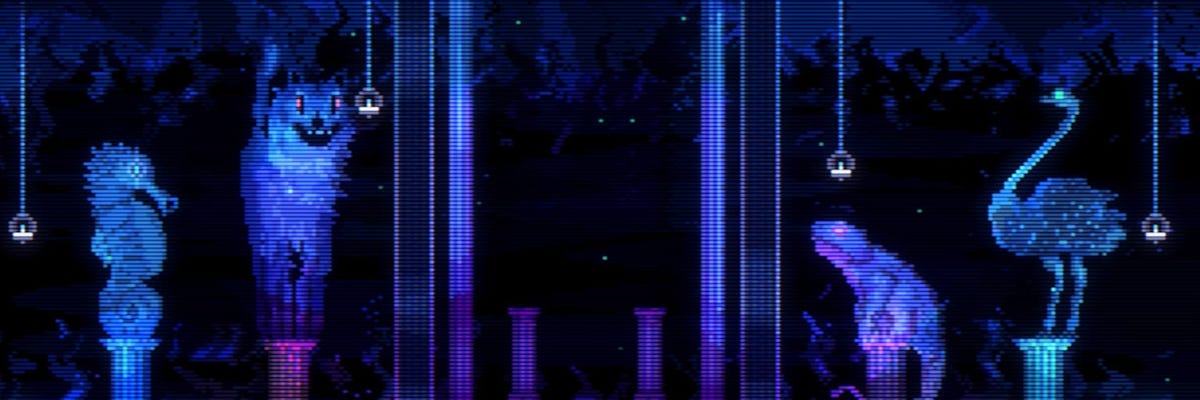
ANIMAL WELL was the first of three games wanted to try before they will leave the PS+ catalog in mid-April. Rated as one of 2024's best, I went in nearly blind—the ideal approach—and found a truly unique, visually striking experience.
A custom engine is created to present this retro pixel-art look with fancy lighting effects (among other custom features I’m sure…)
What Worked for Me:
Brilliant Puzzle Design: At its core, ANIMAL WELL (yes, I'm committed to developer’s the all-caps styling) is a combat-free Metroidvania with unconventional tools. Its intricate puzzles often deliver that perfect "aha!" moment, making me feel clever when solutions click.
Depth of Secrets: The deeper I went (into the well?), the more it revealed itself as a Tunic-like labyrinth of layered secrets. Per that podcast, some puzzles demand community collaboration, while others—per the solo dev (yet another Tunic parallel)—may never be solved.
Map Annotation System: What started as basic stamps evolved to include a pencil tool for freehand notes on the in-game map. While I didn't go wild with annotations myself, I appreciate how it empowers players to mark up their maps—a feature more games should embrace. It's especially useful for a puzzle-heavy experience like this.
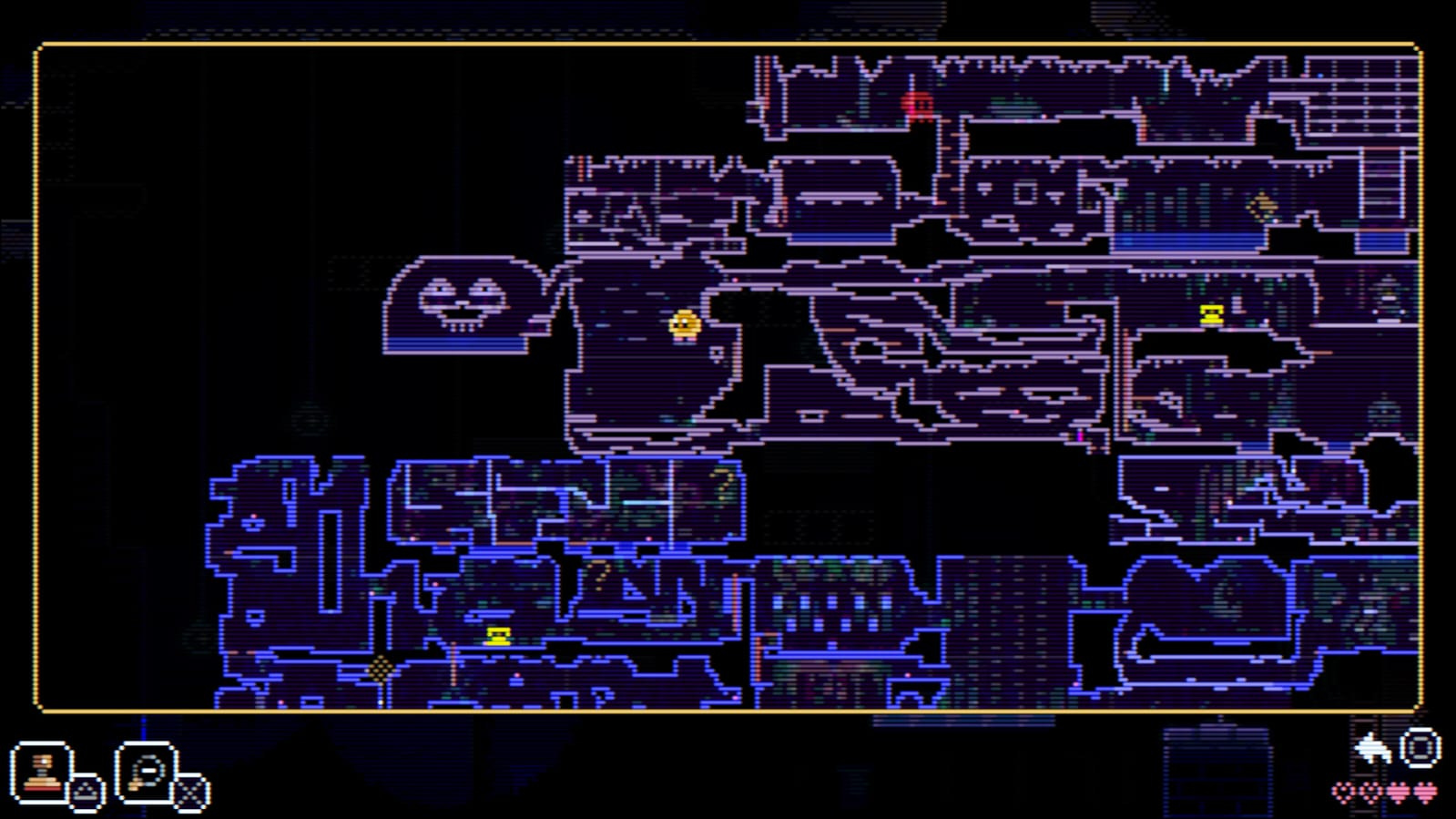
A helpful Steam guide with progressive hints I used:
[A travelers guide to Animal Well]
Please allow me to just spoil one of the many puzzles in the game. I’m confident no other game in existence requires you to drop a chest on a chinchilla after scaring it with with firecrackers.
What Didn’t Work for Me:
Precision Platforming Pains: While most puzzles reward lateral thinking (some play out like Rube Goldberg machines), others demand tight platforming. Not Celeste-hard, but accessibility options could've widened its appeal.
Boss Gauntlets Frustrations: The final tool-based gauntlet delivered that perfect "final exam" satisfaction—but that brutal chase sequence felt like an anomaly in an otherwise tightly designed game. It was available to me before I was properly equipped to handle it, and combined with the unforgiving save system, I completely understand why some players might quit right there. That brick wall nearly broke me too.
I rolled credits after a weekend, collecting just 30 eggs—part of the next layer of the game. Like Tunic, it hooks you with a rock-solid base game before unveiling its true depth. But with PS+ games expiring and my appetite satisfied, I decided to move on... (for now?)
Kena: Bridge of Spirits (2021)
Retired | 6h 30m
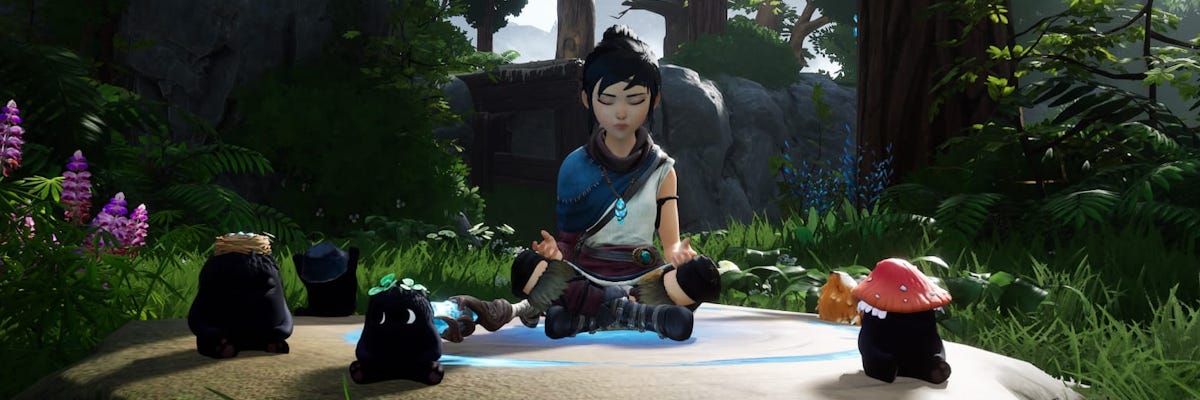
Kena is a game I desperately wanted to love. It radiates charm—Avatar: The Last Airbender meets Studio Ghibli, wrapped in Pixar-quality visuals. Yet, I found myself admiring it more than enjoying it.
What Worked for Me:
Pure Good Vibes: The world is gorgeous, the art direction oozes charm, and the music reflects genuine passion. Every frame feels handcrafted with care.
Ambitious Homage: The team threw everything into this love letter to their favorite games—Souls-like combat, Uncharted-style platforming, Pikmin-like Rot mechanics, and puzzle-exploration hybrids. Admirable scope for a debut title.
Rot Progression: Tying progression to discovering those adorable Rot creatures was a clever twist on leveling up.
Emotional Payoffs: Each chapter (at least in what I played) follow the structure: collect relics, confront a spirit's trauma through boss fights, then experience breathtaking animated flashbacks. These sequences are where Ember Lab's animation expertise shines brightest—they're so beautifully crafted that they almost justify every frustration. In fact, they're what motivated me to give the game another chance after my initial attempt.


What Didn’t Work for Me:
Overambition Meets Execution: For a game that looks like a children’s cartoon, its difficulty shocked me (and many online). Even after switching to the patched-in "Apprentice Spirit Guide" difficulty, my struggles revealed deeper design gaps.
Combat Struggles:
Souls-Inspired, But Missing Key QoL: While clearly drawing from FromSoftware's design, the combat lacks crucial polish. Unlike Souls games where enemy placements are deliberate, Kena throws respawning waves at you from all directions—including behind the camera—with no damage-direction indicators to help orient yourself. One particular fight had me knocked off platforms repeatedly, forcing complete restarts. Arkham-style incoming attack indicators (will probably ruin the aesthetics) or combat camera that dynamically frames all threats could have helped this.
Animation Tracking Woes: There's noticeable attack magnetism—both for Kena and enemies. Special moves often lock onto wrong targets, while enemy strikes sometimes connect even when evaded. Combined with the chaotic waves, it creates frustrating "that didn't feel fair" moments.
Boss Weak Points: Most bosses only expose vulnerabilities during specific wind-up attacks, creating tight, stressful windows. For a game with such charming aesthetics, the execution demands feel mismatched.
Time Trial Fatigue: Too many puzzles demanded split-second precise execution over "aha!" moments. Unlike combat, these had no difficulty options—a missed opportunity.
The lack of a timer would have made the platforming less demanding and also remove the possibility of being crushed by the rocks.
As a developer, I deeply understand how tricky physics gameplay can be but that big of slab rock not lifting Kena up was just a moment of disappointment.


Small Annoyances Add Up:
Beautiful but confusing level navigation
Lack of dialogue auto-advance
Cosmetic-heavy rewards for side activities (but required to find Rot)
Clunky Rot blob + camera controls
No DualSense settings, etc.


After pausing to try another game, I returned hoping a new area might click—but dozens of tiny frustrations won out. (Fine, this was technically April, but I needed closure.)
I’m not here to bash developers—game dev is hard. Learning Ember Lab’s animation studio roots explained much. Kena feels like a brilliant team’s first swing at their dream game, with all the growing pains that entails. While it couldn’t match Tunic or ANIMAL WELL’s brilliance for me, its heart is undeniable.
Here’s hoping their next project blends that stunning artistry with tighter design. (Or just give us a Kena animated show?)
Tales of Kenzera: Zau (2024)
Completed | 12h 40m
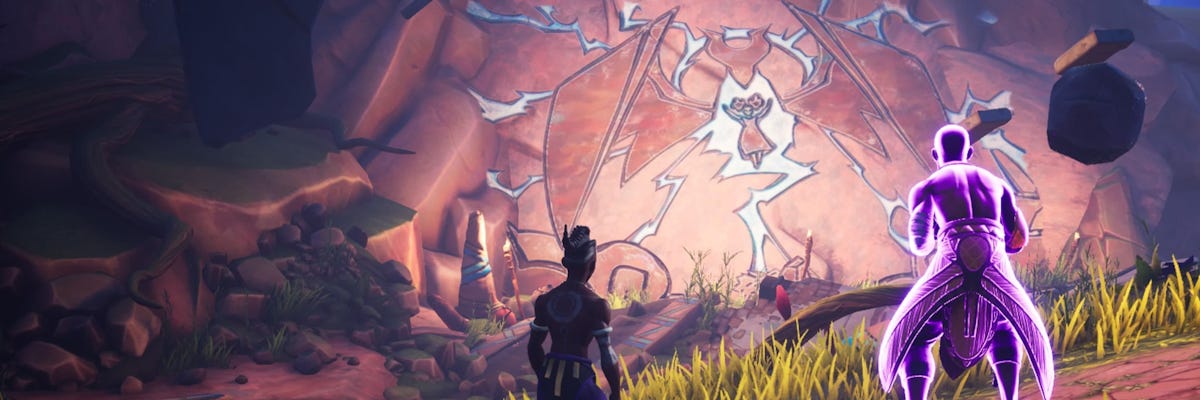
Tales of Kenzera: Zau was the last PS+ game I rushed to try before it left the catalog. It caught my attention as the debut title from Surgent Studios, founded by Abubakar Salim (Bayek’s voice actor in AC Origins). After enjoying its Steam Next Fest demo, learning a work friend had produced it became the final nudge I needed to dive in.
What Worked for Me:
Platforming Flow: The game’s greatest strength. Unlike many Metroidvanias that emphasize precision (you know: tiny, disappearing or moving platforms), Zau delivers 2D parkour momentum—especially with double-jump and dash available immediately. Flaws exist (see below), but it’s the closest I’ve felt to Assassin’s Creed in 2D. (I remember the 2D AC games not being great…)
Mask-Swapping Elegance: The dual-mask system starts as combat style differentiation but evolves into navigation abilities. Binding it to a toggle button—with other abilities as input combos—keeps the flow seamless. Some Metroidvanias get bogged down by menu-digging (was kinda for me at some point in ANIMAL WELL), the game accurately just smooth transitions.
Compact Design: At this stage of my life, a tight game with short runtime is a plus. Clear zone objectives and minimal backtracking made it the first game since Spider-Man: Miles Morales where I actually can reasonably 100% areas.
What Could be Better:
Rigid Difficulty: Like ANIMAL WELL and Kena, there’s no way to adjust the platforming challenge. Here’s hoping DOOM: The Dark Ages and South of Midnight’s modular difficulty sparks a trend. Something like time dilation or harmless environment hazard could prevent some from dropping the game.
Personal Disconnect: Without familiarity with African mythos or lived experience of its themes, I never fully connected with the story. Though voiced, I skipped the codex entries—they disrupted the game's otherwise excellent flow. The "story-within-a-story" narrative device also oddly disappears for most of the adventure until the finale (likely due to budget/timeline constraints?).
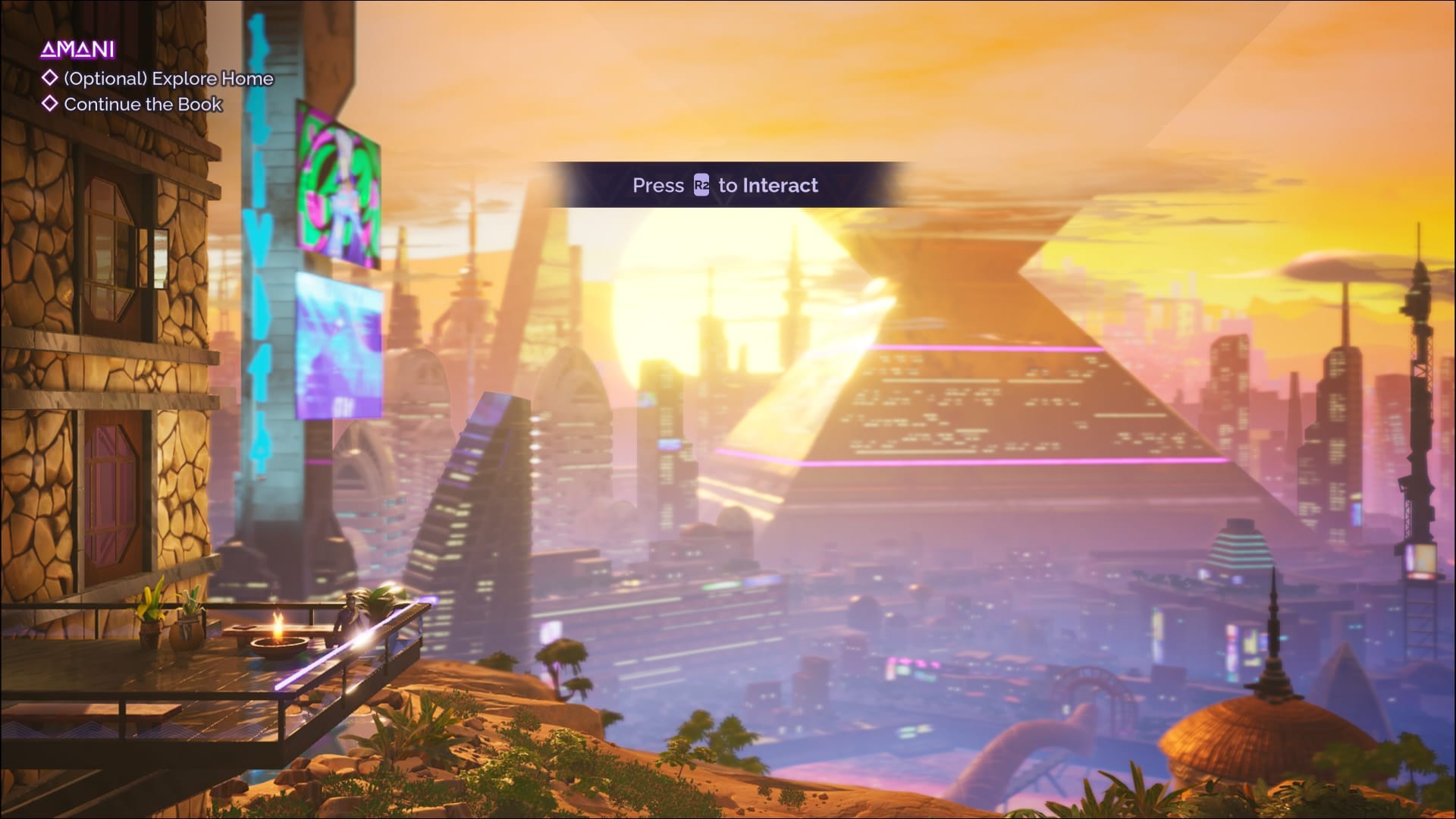
The tone of the game ranges between humour(above) and trauma(below).
Minor Gripes:
Hazard Arena Fights: Enemies that knock you into pits (see also: Rogue Legacy 2, Kena) or being juggled endlessly? Never fun.
Boss Weaknesses Opaque: The first boss’s gimmick eluded me—I brute-forced it.
Collision Bugs: Dashes and ground pounds sometimes lodged me into geometry.
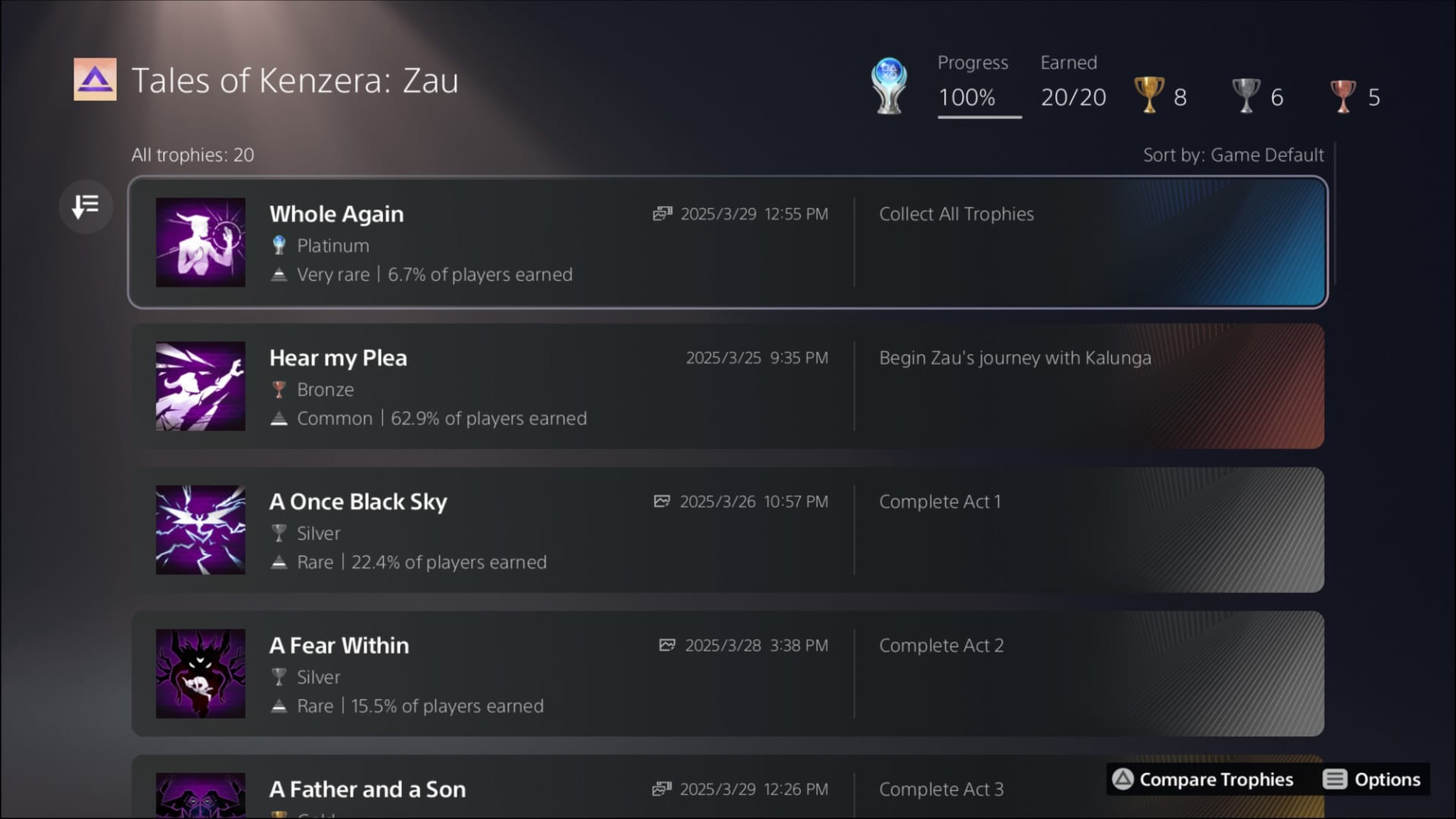
The game culminates in two finale gauntlets—first navigation then combat-focused. I know not everyone is a sicko for input-heavy platformers but this brought back the joy I remembered from Guacamelee! It’s bittersweet knowing Surgent’s future is uncertain, because I platinum’d their debut—a rarity for me.
Q1 Charts
This mammoth entry proves I need to journal as I finish games—both for fresher insights and to avoid marathon writing sessions
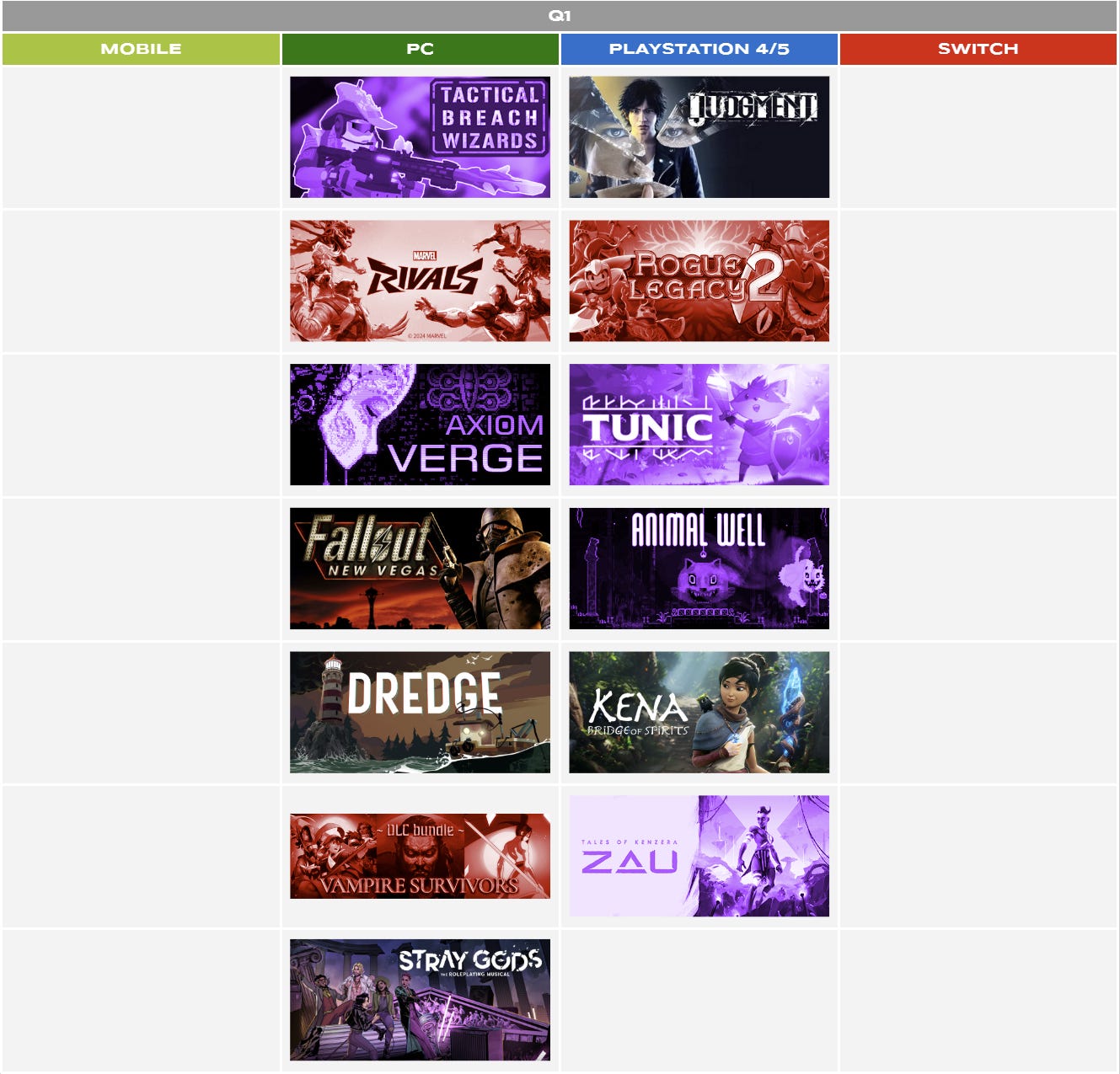
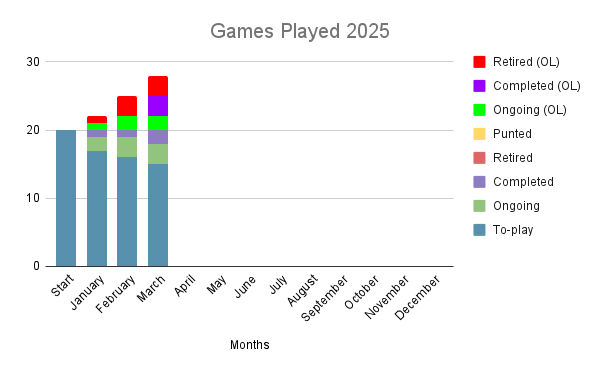
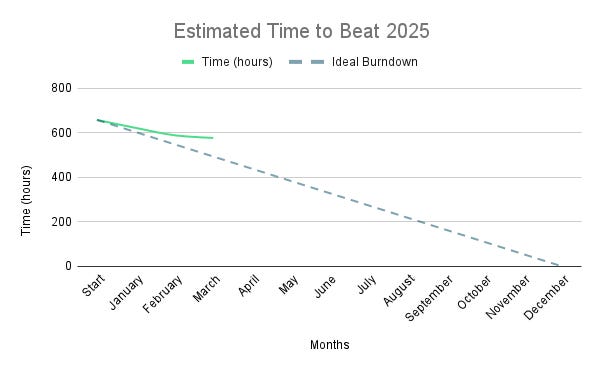
I am completing games… just not always from my planned list. PS+ catalog disrupted my priorities (and expanded the backlog). Time to refocus if I want to hit my targets.
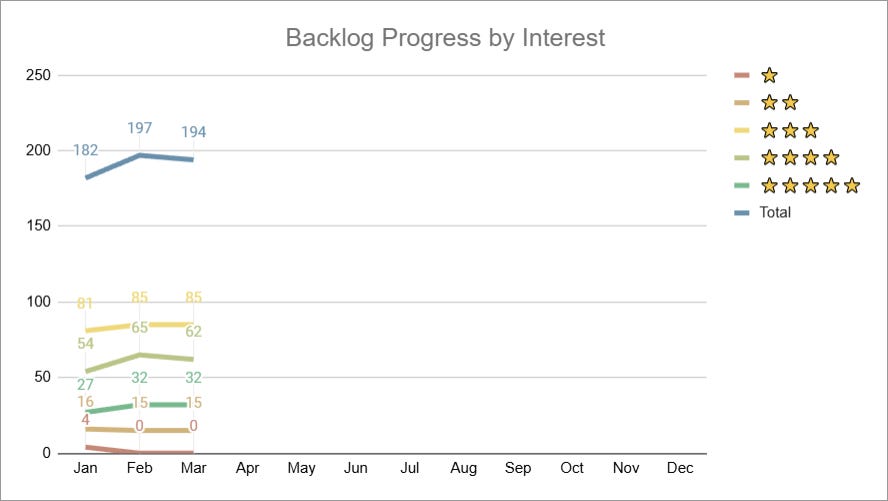
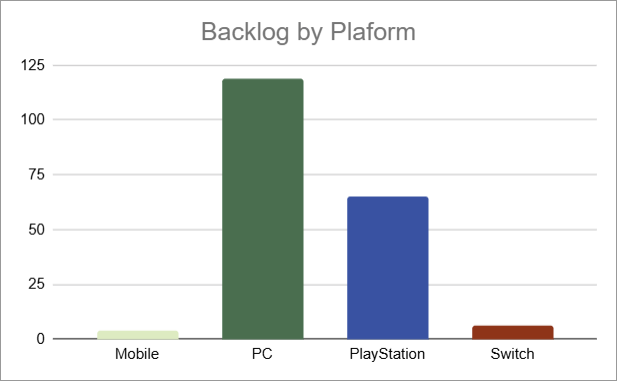
I did prune the backlog, doing that and writing these journal entries do take time away from playing games. I’m pretty happy with the system I’ve set up so this might finally be my definitive backlog.
Some Other Stuff
(Congrats if you made it this far…)
[Mark Darrah on Games] How is the Games Industry Doing 5 Years after Covid 19?
[Kyle Bosman] Shuhei Yoshida is a master of giving advice
We watched Sonic 3 and enjoyed it. The intro reminded me of the Mewtwo Pokémon movie somehow…
The entire family got into the chaos of Overcooked! All You Can Eat offered on PS+ game catalog.